
Luxury is always an intriguing topic. What is it? Why do consumers seek after it? Luxury in hospitality is even more intriguing and is being recrafted for modern day consumers. Not because the world suddenly stopped valuing beautiful spaces, elevated service, or rare products, but because “beautiful” is no longer enough. Today’s luxury guest wants proof behind the polish. They still want the velvet experience, but they also want the receipts: Where did this come from? Who made it? How were people treated? What is this brand hiding, or proudly showing?
In the next era of luxury, authenticity and transparency are not marketing angles. They are the new price of admission.
The New Luxury Guest: More Informed, More Intentional, Less Patient
For decades, luxury leaned on distance. Mystery equaled prestige. The guest was meant to accept the narrative, which was often intentionally vague. But consumers now live in a world where information travels at the speed of a screenshot, and trust can be built (or lost) in a single comment thread. In this digital environment, the luxury guest is no longer impressed by what a brand claims. They’re impressed by what a brand can substantiate.
That shift has changed the emotional contract between brand and guest. Luxury is still about aspiration; customers want to feel like they belong to something. But it’s also about alignment. Guests are asking: Does this experience match my values? They don’t want perfection as much as they want integrity. And they are willing to pay more for it. They want the feeling that comes through transparency. The feeling of safe, smart, and more personal.
Hospitality: From “Service Excellence” to “Trust Excellence”
In hospitality, authenticity shows up as consistency. When a brand feels true in every touchpoint, the reservation, the packaging, the email, the social media this adds to the authenticity. Transparency is what transforms service into trust.
Transparency in hospitality looks like:
Clear pricing and policies without “gotcha” fees or confusing terms
Honest descriptions of amenities (no staged illusions or overpromising)
Visible commitments to sustainability, labor practices, and local partnerships
Accountability when something goes wrong: direct acknowledgment, fast remediation, and tangible follow-through
Forward-thinking hospitality brands are moving beyond scripted “delight” moments into something more powerful, a focus on relationship-building.
Coffee: The Luxury of Proof, Not Just Flavor Notes
Specialty coffee may be the clearest example of luxury’s shift toward transparency. Coffee lovers increasingly expect traceability, not just tasting notes. “Chocolate and stone fruit” is nice, but “washed Ethiopian from X cooperative, harvested at Y elevation, paying Z premium” is what signals real quality.
In coffee, authenticity is craft: roasting with intention, brewing with precision, and honoring origin rather than masking it. Transparency is verification: sourcing practices, lot information, and the economics that support farmers. The next wave of luxury coffee is not simply about a higher price point it’s about a clearer supply chain.
Forward-thinking roasters and cafés are making transparency part of the experience:
Origin cards and QR codes that link to farm-level details
Openly sharing roast approach and brew parameters
Publishing sustainability commitments (energy use, packaging, and waste)
Highlighting long-term partnerships with producers rather than “trend” origins
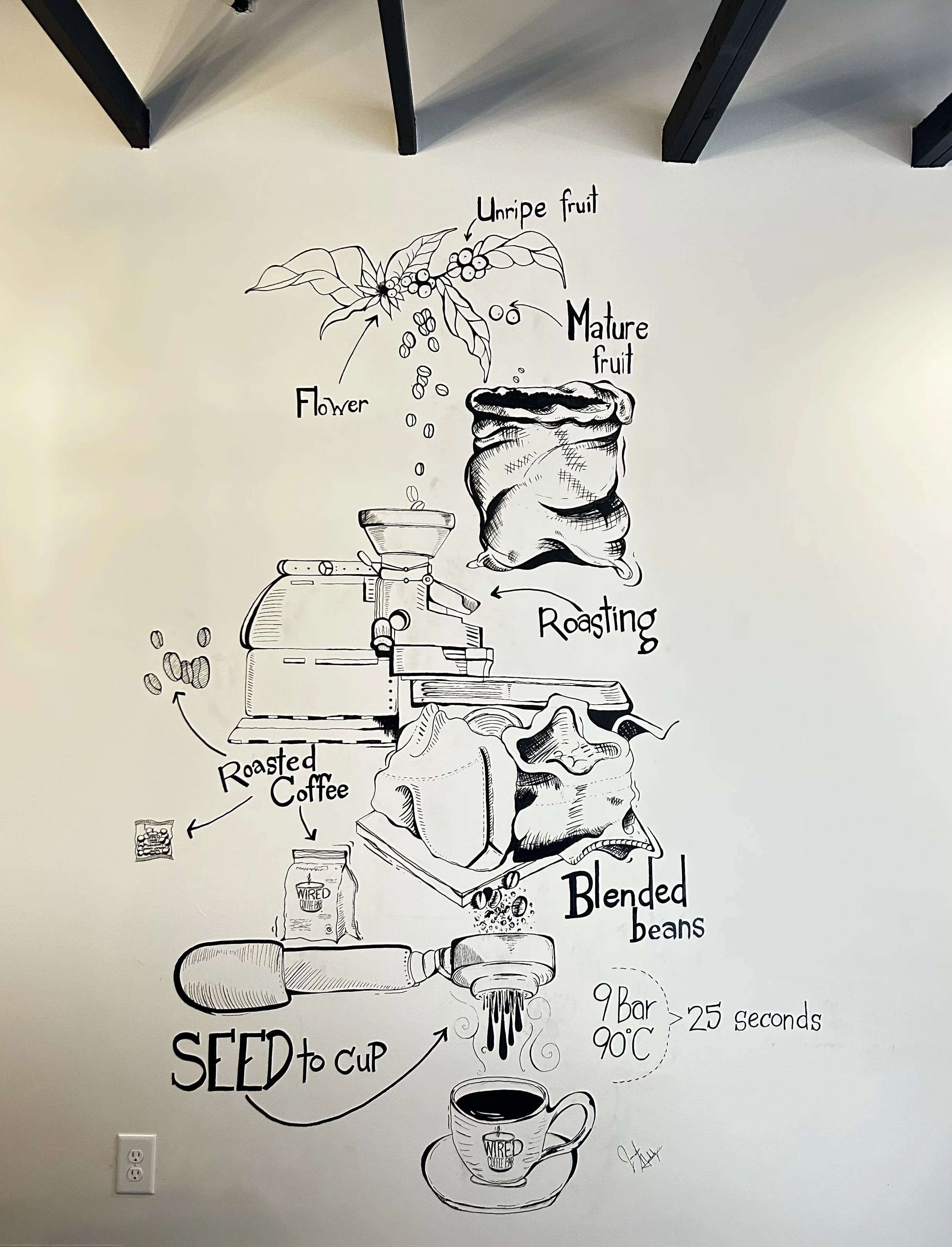
When coffee becomes a story a guest can follow—from farm to cup—it becomes more than a beverage. It becomes a trust-based luxury. Think about where your coffee came from. The story from farm to roast to cup is a powerful example of luxury.
Wine: A Return to Place, With a Demand for Clarity
Wine has always carried the language of luxury: terroir, vintage, cellar, reserve. Yet the category is also facing a consumer base that wants less mystique and more meaning. The modern luxury wine buyer still appreciates artistry and tradition, but they also want transparency about what’s in the bottle and what practices shaped it.
Authenticity in wine is rooted in place: land stewardship, varietal integrity, and honest winemaking that reflects climate and craft. Transparency is the willingness to talk about decisions that used to stay behind the curtain, additives, sugar levels, fining agents, farming methods, and environmental impact.
Luxury wine is increasingly tied to:
Sustainability and regenerative farming
Producer-led storytelling rather than brand mythology
Vintage variation embraced instead of engineered uniformity
More open communication about production methods
Consumers don’t expect wine to be sterile; they expect it to be real. And “real” is becoming the ultimate status symbol.
Spirits: Prestige Without Secrecy
The spirits world is undergoing its own transparency reckoning. Premiumization is booming with high-end tequila, whiskey, rum, and craft gin continuing to command attention. But consumers have grown more skeptical of glossy storytelling unsupported by facts.
Authenticity in spirits includes production honesty: where it’s made, how it’s distilled, how it’s aged, and what is (or isn’t) added. Transparency includes labeling clarity, sourcing disclosures, and a willingness to answer direct questions about process. We have seen many brands fall out of favor over the last year because of their hidden truths or outright lies.
Luxury spirits brands that will win long-term are those that embrace:
Clear provenance and production details
Education-forward tasting experiences (not just vibes)
Integrity in age statements, sourcing, and blending narratives
Consistency between “heritage” claims and actual operations
As more consumers learn how spirits are made, “premium” becomes less about packaging and more about proof. In the new landscape, the most luxurious thing a brand can be is credible.
Why Authenticity and Transparency Matter More Than Ever
This movement isn’t a phase. It’s the natural outcome of three cultural forces:
1) Consumers are more educated.
People now know what terms mean, how supply chains work, and how to question claims. And, they are able to quickly fact-check information.
2) Consumers are more values-driven.
They evaluate brands not only on taste or design, but on ethics, sustainability, and honesty.
3) Consumers are more connected.
Community recommendations, creator reviews, and online discourse shape brand perception quickly, and in many cases, permanently.
In this environment, luxury brands can’t rely on reputation alone. They must continuously earn trust. And in the age of digital marketing trust is hard fought amongst all the fraudulent creative and story mixed into the everyday of content creation.
The Future: Luxury as “Verifiable Storytelling”
The future of luxury in hospitality, coffee, wine, and spirits is not about stripping away romance. Romance helps to create the special feeling of luxury. It’s about grounding romance in reality.
The best brands will become fluent in verifiable storytelling:
Story that is emotionally compelling and factually supported
Aesthetic experiences backed by operational integrity
Premium pricing justified through transparency, not ambiguity
Luxury will always involve craftsmanship, beauty, and aspiration. But forward-thinking luxury adds something deeper: confidence. When a guest can see the truth behind what they’re buying, when they can trust the brand without hesitation, luxury becomes more than an indulgence.
It becomes a relationship. And, we work to build relationships that last.